
logo
Our Services

Equipped For Client Success

Avaap delivers expertise, personalized support, and results that advance our customers’ toughest challenges.

Explore All Services

Strategic Technology Solutions →

Workday Implementation Snowflake Implementation IT Strategy & Governance AI-Powered Business Solutions Post-Production Support

Data, Analytics, & AI →

Data & AI Strategy Data Platform Modernization AI-Powered Insights Data Visualization & Interaction Data Workload Migration & Conversion

Organization Transformation & People Solutions →

Organizational Change Management Avaap Change Academy™ Change Maturity Assessment Program & Project Enablement
  • Our Partners
    • Workday
    • Snowflake
    • Tableau
    • Alteryx
    • All Partners →
  • Our Customers
    • Higher Education
    • State & Local Government
    • Transit & Special Districts
    • All Industries →
  • Who We Are
    • About Avaap
    • Careers & Culture
  • What We Think
    • Thought Leadership
    • Webinars
    • View All →
Work With Us
Search
logo
  • Avaap
  • Our Services
    • Strategic Technology Solutions
      • Workday Implementation
      • Snowflake Implementation
      • IT Strategy & Governance
      • AI-Powered Business Solutions
      • Post-Production Support
      • All Strategic Technology Solutions
    • Data, Analytics, & AI
      • Data & AI Strategy
      • Data Platform Modernization
      • AI-Powered Insights
      • Data Visualization & Interaction
      • Data Workload Migration & Conversion
      • All Data, Analytics, & AI
    • Organization Transformation & People Solutions
      • Organizational Change Management
      • Avaap Change Academy™
      • Change Maturity Assessment
      • Program & Project Enablement
      • All Organization Transformation & People Solutions
    • All Services
  • Our Partners
    • Workday
    • Alteryx
    • Tableau
    • Snowflake
    • All Partners
  • Our Customers
    • Higher Education
    • State & Local Government
    • Transit & Special Districts
    • All Customers
  • Who We Are
    • About Avaap
    • Careers & Culture
  • What We Think
    • Thought Leadership
    • Webinars
    • View All
Explore All Services
Work With Us
Menu

May 12, 2026 by Mariana Kunzler

As a Workday implementation partner, Avaap consultants spend their time helping organizations modernize systems and guide people through transformation. Just as importantly, our Transformation Solutions Practice, including Organizational Change Management (OCM), is central to how we help clients realize value from those investments.  

Recently, Avaap had the opportunity to turn that expertise inward completing an internal Workday implementation. Led by our own consultants, this initiative allowed us to: 

  • Apply our expertise within Avaap, reflecting on what it truly means to lead change while simultaneously experiencing it ourselves.   
  • Intentionally design the change experience around the needs, perspectives, and day-to-day realities of our employees. 
  • Enable consultants to experience the new system through an end-user lens, deepening their understanding of the transformations we deliver for our clients. 

In this blog, we reflect on our implementation through two distinct lenses:  

  1. The end-user’s perspective: Experiencing the transformation solely as a user 
  1. The lead’s perspective: Driving change on behalf of the organization 

Together, these perspectives reveal lessons learned and insights gained from living the same change we so often help our clients navigate. 

People at the Center of Our Internal Workday Implementation 

One of the greatest strengths of Avaap’s internal Workday implementation was the intentional focus on the employee experience, recognizing our people as the end users of the new system. Throughout the implementation, we prioritized transparency, engagement, and feedback to ensure employees felt informed, supported, and heard.  

This approach came to life in several ways: 

  • A strong change champion network established rhythm and structure through monthly meetings, clear and consistent Change Guides, and trusted peer-to-peer communication. 
  • Employees valued receiving updates from colleagues they trusted, reinforcing engagement and creating a powerful two-way feedback loop.  
  • Visible and active executive sponsorship reinforced alignment, accountability, and commitment to the change. 
  • Departmental meetings were intentionally leveraged to share updates, communicate key actions, and reinforce critical milestones and deadlines.  

During go-live, hyper care made a meaningful and visible difference. Office hours, a dedicated Teams support channel, rapid issue resolution, and transparent public Q&A created real-time trust and confidence. Employees did not just receive answers — they learned from one another’s questions, strengthening system adoption and reinforcing confidence in the organization’s ability to support its people through change. 

Lessons from a Compressed Workday Delivery Timeline 

As change leads for this initiative, we experienced firsthand the realities of delivering against an ambitious timeline—challenges we often partner with our clients to navigate during a Workday transformation. 

Here are a few of the lessons we look forward to applying in future client engagements: 

  • With a limited buffer for OCM activities, training development occurred in parallel with ongoing system configuration, extending preparation efforts, and requiring significant agility from the team.  
  • Delivery coincided with a demanding December client cycle and the holiday season, leaving little flexibility in employee schedules.  
  • To support adoption while honoring client commitments, sessions were recorded, materials were made readily accessible, and knowledge checks were implemented so employees could complete requirements between client engagements.  
  • This flexible, multi-modal approach enabled broad participation while preserving our commitment to client delivery and operational excellence.  

As timelines compressed, change management often absorbed the shock. More importantly, the experience reinforced a critical insight we see repeatedly: while technology change is challenging, role clarity is often the harder—and more impactful—transformation. 

Why the Internal Workday Experience Worked for Our Employees 

From an end‑user perspective, the experience demonstrated how seamless change can feel when an organization intentionally supports its people, even amid the complexities and challenges faced by the project team. 

“As a change management consultant, I understand the strategies that enable adoption, but experiencing a Workday implementation as an employee made the effort required feel far more tangible.” – Avaap Change Management Consultant 

Several factors contributed to this success: 

  • Access to a centralized Learning Library. 
  • An active Teams channel. 
  • Clear FAQs made employees feel their needs were being anticipated rather than reacted to.  
  • A well‑designed matrix of communication channels, including a robust change champion network, ensured information surfaced when and where it was needed. 
  •  On-demand resources and flexible training sessions also allowed employees to engage in learning in meaningful ways, despite the demands of a busy time of year. 

Leading Workday Change from the Inside 

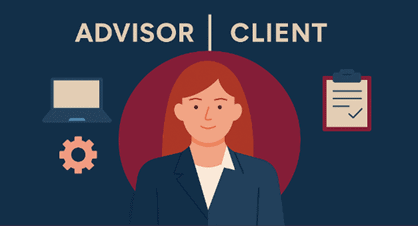
Leading change internally introduced a unique challenge: wearing two hats as both advisor and impacted stakeholder, while also supporting executive leaders as sponsors. Living this transition firsthand reinforced the responsibility that comes with advising on change 

The experience underscored a lesson we share with clients every day: systems go live on a date, but clarity, adoption, and behavior change require sustained focus and intentional investment. 

If you are preparing to kick off a Workday transformation, consider how Avaap can partner with you — bringing both extensive client experience and firsthand internal implementation lessons to help ensure a successful outcome. 

Connect with us

Filed Under: Posts Tagged With: change management, Change Management for Workday, Workday

March 25, 2026 by Mikaylee Harmon

At Avaap, we know that organizational change efforts succeed when people—not just processes or technology—move forward with clarity, confidence, and commitment. Yet in large transformation programs, the gap between the client organization and the system implementor (SI) can easily become a barrier: misaligned expectations, unclear ownership, and competing priorities often slow momentum at the very moment when teams need to move in sync. 

Our team has spent years operating at the intersection of these two worlds. Recently, Avaap was presented with a unique opportunity to partner as organizational change management (OCM) leadership on both the client side and the system implementor side, and that dual perspective ended up being one of our biggest strengths throughout the project. It allowed us to build trust quickly, anticipate friction before it surfaced, and create a unified experience for stakeholders who were navigating the change. 

Why Dual-Perspective Organizational Change Management Leadership is Impactful 

Working across both sides of the partnership gave us a unique advantage. We were able to better understand the realities of the client’s internal culture, decision-making rhythms, and organizational constraints – while simultaneously adhering to the SI’s delivery model, project cadence, and technical dependencies. This combination enabled us to efficiently and effectively translate, align, and accelerate. 

1. A Dedicated Client-Side OCM Lead Creates Early Clarity and Sustained Momentum 

One of the most impactful elements of this partnership model was having a client-side resource with deep OCM expertise embedded from the start. On this project, that role became a critical success factor. 

Here are several ways our dedicated client-side OCM lead made a measurable difference throughout the transformation initiative: 

  • Anticipated challenges before they became blockers. Because the client-side OCM lead effectively functioned as an employee of the institution, they were trusted with candid details about the organizational culture and history, enabling them to identify risks early – whether related to stakeholder readiness, communication gaps, or process impacts.

  • Escalated issues with precision and credibility. Grounded in the organizational context and overarching change strategy, the client-side resource escalated issues appropriately and on time, and their perspective carried significant weight with project leadership due to their strong institutional relationships. This kept the core activities conducted by the OCM workstream moving without unnecessary delays. 

  • Drove productive collaboration across teams. Working sessions were more focused and efficient. The client-side lead could bridge perspectives, clarify expectations, and ensure that decisions were made with the right information and the right people in the room. 

  • Reduced ambiguity and accelerated decision-making. Their presence created alignment across stakeholders, helping teams move forward with confidence rather than revisiting decisions or reinterpreting requirements. 

2. The SI-Side OCM Lead Drives Delivery and Change Adoption 

While the client-side OCM lead helped us understand the intricacies of the internal culture and facilitated early alignment, the OCM role on the SI side was equally essential in ensuring seamless execution and adoption. The SI-side OCM lead functioned as a bridge between technical delivery and the client’s change management needs, translating system requirements into actionable communication and training strategies that resonated with end users. 

  • Ensured alignment between project milestones and change activities. By proactively mapping change activities to each phase of the system implementation, the SI-side OCM lead helped teams anticipate resource needs, manage expectations, and avoid last-minute surprises. 
  • Facilitated cross-functional collaboration. The SI OCM lead fostered collaboration across technical, functional, and client-facing teams, ensuring that messaging, training, and support were consistent and appropriately validated. 
  • Monitored and responded to adoption risks. Using data-driven insights and feedback loops, the SI OCM lead identified areas of resistance, tracked progress, and adjusted engagement strategies to maximize user adoption and minimize disruption. 
  • Provided expertise that streamlined training efforts. Leveraging prior experience, the SI OCM lead was able to accelerate training development—an area that is often challenging in Workday implementations without support from an experienced Workday resource.  
  • Supported continuous improvement. By capturing lessons learned and sharing best practices, the SI OCM lead contributed to ongoing optimization of both project outcomes and organizational readiness for future transformations. 

Together, the client-side and SI-side OCM leads complemented each other’s strengths, resulting in a holistic approach that delivered both technical success and sustainable change adoption through dual‑perspective organizational change management leadership. 

Establishing Trusted Partnerships and Unified Change Management 

Respectful Partnership Strengthens Brand Credibility 

Operating on both the client and SI sides requires a careful balance of advocacy, neutrality, and professionalism. Our approach centered on: 

  • Respecting each organization’s role and expertise. We reinforced shared accountability and mutual respect for each other’s strengths – the client as the expert in their culture and operations, and the SI as the expert in best practices for digital system transformation. 
  • Representing each brand with integrity. Our resource that was embedded with the client acted as an extension of their team—upholding their values, communication style, and expectations, while adhering to Avaap’s policies and procedures. 

This balanced approach enhanced credibility for everyone involved. Stakeholders noticed a unified front, not competing agendas. 

A Unified OCM Strategy That Works Across Both Organizations 

Because we understand the dynamics of both sides, we were able to design and implement an OCM strategy that was: 

  • Practical for the client to execute (aligned with their culture, capacity, and leadership style) 
  • Compatible with the SI’s delivery model (integrated with milestones, testing cycles, and deployment timelines) 

This alignment reduced rework, minimized confusion, and ensured that change activities supported—rather than lagged—the technical implementation. 

The Result: A More Cohesive, Confident, and Change-Ready Organization 

By bringing together the strengths of both the client and the system implementor, dual‑perspective organizational change management leadership helped create an environment where:  

  • Teams collaborated more effectively 
  • Decisions were made faster 
  • Training and readiness efforts stayed on track 
  • Stakeholders felt supported and informed 
  • The organization moved through change with clarity and purpose 

This dual-perspective OCM model doesn’t just support transformation—it elevates it. 

Looking for the right support to ensure your large-scale system transformation is a success?  Explore Avaap’s Organizational Change Management services to learn more about our capabilities.

Connect with us

Filed Under: Posts Tagged With: change management, ocm, Workday

January 5, 2026 by Steve Csuka Leave a Comment

With the start of 2026, organizations are prioritizing their digital transformation roadmap to stay competitive and agile. One theme continues to dominate boardroom conversations: digital transformation. The pace of change isn’t slowing down, and the organizations that thrive will be those that embrace innovation, modernize their systems, and align technology with strategic goals. 

Why You Should Start Your 2026 Digital Transformation Roadmap Now 

The beginning of a new year is the perfect time to evaluate your technology landscape. Legacy systems may have served you well, but they often limit agility, scalability, and the ability to deliver exceptional experiences for employees and customers. A well-planned digital transformation roadmap ensures your organization can operate more efficiently, make data-driven decisions, and adapt quickly to market changes. 

Key Steps to Build a Successful 2026 Digital Transformation Roadmap 

1. Align Technology with Business Strategy 

  • Define your organization’s top business priorities for 2026. 
  • Ensure every technology initiative directly supports these goals. 
  • Treat digital transformation as a business enabler, not just a system upgrade. 

2. Assess Current Systems and Gaps 

  • Conduct a comprehensive audit of your technology stack. 
  • Identify bottlenecks, inefficiencies, and manual processes prone to error. 
  • Use findings to prioritize investments and eliminate redundancies. 

3. Focus on Data & Analytics

  • Establish strong data governance policies for accuracy, security, and compliance. 
  • Integrate data across silos to create a single source of truth. 
  • Invest in advanced analytics and AI to empower smarter, faster decision-making. 
  • Data is the foundation of transformation. Ensure your roadmap includes strategies for data governance, integration, and advanced analytics to empower better decision-making. 

4. Plan for Change Management 

  • Develop a change management strategy that emphasizes communication and transparency. 
  • Provide training programs to upskill employees on new tools. 
  • Engage stakeholders early to build buy-in and adoption. 

5. Leverage Cloud and Automation 

  • Modernize infrastructure with cloud solutions for scalability and flexibility. 
  • Deploy automation tools to reduce costs and free resources for innovation. 
  • Explore AI-driven workflow tools for customer service and supply chain 

Looking Ahead: Making Your 2026 Digital Transformation Roadmap Actionable 

Digital transformation is not a one-time project—it’s an ongoing journey. By starting now and building a clear roadmap, you position your organization for success in 2026 and beyond. Avaap is here to help you navigate this journey with expertise, proven methodologies, and a commitment to delivering measurable outcomes. 

Ready to start your transformation?  

Connect with our team to learn how Avaap can help you design and execute a roadmap that drives real business value. 

Connect with Us

Filed Under: Posts Tagged With: change management, data and analytics, digital transformation

brandmark

Stay Connected

Be the first to learn about new services and tools to help your organization thrive.

  • Our Services
  • Our Partners
  • Our Customers
  • Who We Are
  • What We Think
  • Careers & Culture
  • Resources
  • Events
  • News
  • Search

© 2026 Avaap | Privacy Policy | Site by Wonderly.

logo

1400 Goodale Blvd., Suite 100,
Columbus, OH 43212
(614) 796-0090

© 2026 Avaap | Privacy Policy | Site by Wonderly.